revoke individual user access to single, multiple, or all PDF files
revoke access automatically after a number of views and/or prints
Watermark
Add dynamic watermarks to viewed and or printed pages. Dynamic variables (date/time, user name, company name, email address) are replaced with actual user and system data when the protected PDF document is displayed and/or printed.
You only have to protect a document once in order to customize it for multiple users.
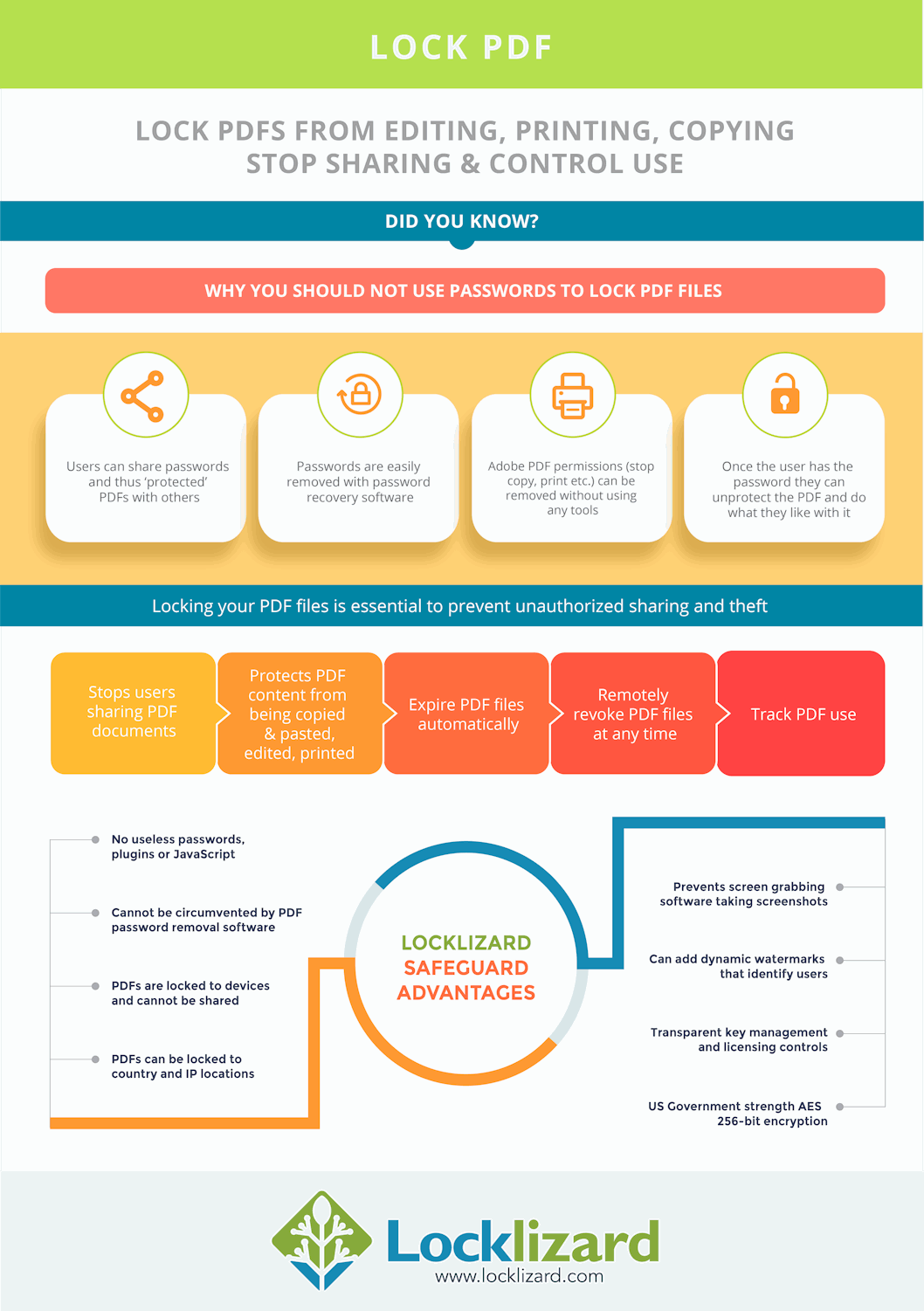
users can share passwords and thus ‘protected’ PDFs with others
passwords are easily removed with PDF password recovery software
Adobe PDF permissions (stop copy, print, editing) can be easily bypassed or removed
once the user has the password, they can unprotect the PDF and do what they like with it
“We have been looking for years to find a software company that would allow us to securely sell our eBooks. Locklizard offers so many options, we are able to fill the needs of all of our customers. We have used other software providers that had promised the security of our eBooks but they never lived up to that promise the way that Locklizard has.
The support we received has been outstanding. They are very responsive to our requests and go the extra mile.
I would recommend Locklizard if you are looking for secure PDFs.”
Why Safeguard PDF Security is more secure than Adobe Acrobat for Locking PDF documents
Keys are transparently relayed and locked to authorized devices
DRM controls are persistent and cannot be removed
OS controls prevent screen grabbing and printing to PDF files and other unprotected document formats
Stops unauthorized use
Stops sharing, copying and pasting, printing, editing and saving.
Stops screen grabbers and Windows print screen, and prevents printing to file drivers (stops users creating unprotected files such as PDF files or XPS files).
Unlike Adobe permissions, Safeguard document controls cannot be removed. Regardless of how strong the password you use is, Adobe permissions can be removed in seconds. This can be easily done without using any password removal tools.
Non-removable dynamic watermarks
Dynamic watermarks (user’s name, email, company, date/time, etc.) can be displayed at view/print time.
You only have to protect the PDF once for all users and unique information is inserted depending on which user has opened the document.
Unlike Adobe, MS Office, and other software used to add watermarks to PDF files, Safeguard watermarks cannot be easily removed.
PDFs are locked to devices and locations
Restrict PDF files to machines. PDFs are automatically restricted to machines (authorized devices) so they cannot be shared. Once a user activates their license they can only view PDF files from that device.
Restrict PDF files to locations. PDFs can also be locked to a country, location, a domain, or a range of IP addresses on a user or global basis. For example, you might only want to allow users to use your protected PDF files from an office location.
How to lock PDF files to prevent changes & restrict use: prevent editing, copying, printing
How to Lock a PDF from opening
You can use either passwords or certificates to lock a PDF file from opening but they both have their problems.
A more secure and easier way to prevent a PDF being opened by unauthorized users is to use encryption with licensing controls and transparent key management. You therefore do not have to worry about key distribution. This is what Locklizard uses along with device locking to prevent encryption keys (and therefore your documents) from being shared.
Locklizard automatically prevents PDF editing when you protect it. Users cannot edit content or copy/paste it to other applications. You can also lock PDF forms so that form fields cannot be edited and modified in any way, but the user can still enter text in the fields provided.
However, the only protection available is the password which can be easily removed using freely available PDF password removal tools. Once the password is removed the recipient can do what they like with the file.
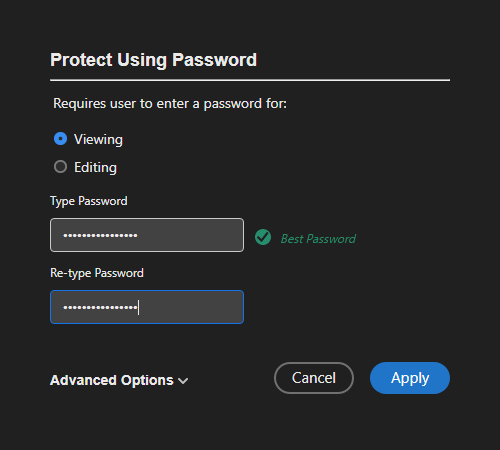
How to lock PDF from editing with a password:
Open your PDF in Acrobat and press the “Protect” button in the sidebar.
Click “Protect Using Password” in the top bar.
Select “Editing” and enter a secure password.
Save your password protected document.
You can then apply a document open password (Viewing) in the “Advanced options” section of the security header, but that does not prevent users removing the restrictions. Anyone that has the document open password (any user you share the PDF file with needs it) can remove the PDF restrictions in seconds.
How to edit a password locked PDF
If a user has protected their PDF with Adobe Acrobat, editing it is easy. This is especially true if they have the open password, which everybody who wants to view the document will need.
Here’s the simple, four-step process.
Upload the document to an online password remover tool
Enter the open password
Wait for the website to strip the permissions password
Download the modified PDF and edit it in any PDF editing software
If the open password is not immediately available, it does not mean a user cannot edit the PDF. A PDF remover tool can still reveal or remove the open password given enough time. It will also strip any editing controls from the document.
Alternatively, users can convert from PDF to another format by opening it in Google Docs or Microsoft Word and editing it that way.
How to print a PDF that is locked with a password
The method to print a password-locked PDF is the same as above. Users upload the protected document to an online service, download the unprotected version and hit “print”, or crack it with a PDF password remover tool.
If the document has any watermarks, they can of course edit the document to delete those before printing it.
So the Adobe method of locking PDFs to prevent changes provides zero protection since it can be easily defeated. Printing a locked PDF is incredibly easy and so is removing any editing restrictions.
Locking PDF files online
There are many PDF tools similar to Adobe that let you protect a PDF online. The problem however is that you have to upload your unprotected PDF files to a cloud server where they could be compromised. This might be OK for non-sensitive or non-confidential PDF documents, but most businesses do not want to expose their documents to a third party, which is why they are protecting them to begin with.
So, while online PDF locking tools may seem attractive, they are actually less secure and provide only simple password protection which is easily removed.
How to lock PDF files securely without passwords using Safeguard
Safeguard PDF Security protects PDFs (encrypt PDFs) using public key technology. There are no passwords to enter or remove or certificates to manage.
When you protect a PDF file, a corresponding key for the document is relayed to a server and stored encrypted. This key is transferred in encrypted form to an authorized user’s computer when they open the PDF. The key is held encrypted in a keystore which is locked to the authorized computer so it cannot be moved to another device.
How to lock a PDF file from editing without passwords
Right-click on a PDF on your computer and select ‘Make Secure PDF’.
Creating a protected PDF file
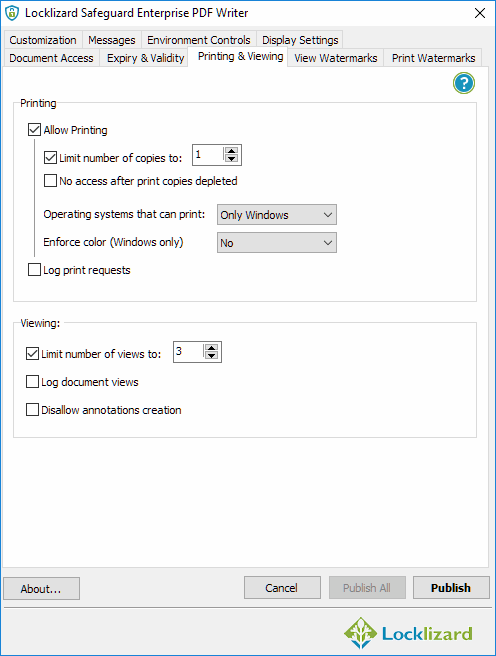
Select the copy protection controls you want to apply. By default, editing, copying, and printing are disabled.
Encrypting a PDF without passwords or certificates using Locklizard Safeguard PDF DRM
Press the Publish button.
Select the users you want to give access to your protected PDF files using the cloud-based Admin System:
Safeguard Admin System
Distribute your protected PDF documents like any other file.
When you lock a PDF file using Safeguard PDF Security, it encrypts the document and applies DRM controls. Document protection is enforced regardless of where the PDF file is stored or who it is sent to, and PDFs are locked to machines (devices) so they cannot be shared. If a locked PDF is sent to a unauthorized user they will not be able to open it since they need a decryption key. If a user forwards their license file to another user, then it will not activate since it is a one-time use.
How to lock a PDF form after filling out / fillable fields in PDF files
You can use Safeguard PDF Security to lock PDF forms and form fields from editing and form submissions from being altered after they have been filled out.
If you have a document that contains a form, then it will automatically be protected from editing – users can fill in fields but cannot edit form content. You can also encrypt your PDF form fields on submission so that data in PDF form fields cannot be changed.
A PDF lock is a method or technique for denying access to PDF encoded information, such as locking a PDF with a password or registration code.
Some types of PDF protection are achieved with hardware – typically a ‘dongle’ which is a piece of hardware that must be present for the PDF to open. Contrary to some recent ‘opinions’ the dongle is not obsolete and US law does not allow them to be removed UNTIL on an individual basis they are actually obsolete.
Most types of protection are implemented in software, and these may require entry of a password, registration codes, user identification codes, as well as network or machine addresses to be present or provided.
PDF protection has to make use of encryption to prevent anyone from being able to process the PDF without a suitable key. However, there are different grades of protection:
The simplest form of protection lets you encrypt your PDF with a password, which allows access to the content it is protecting. This is not very effective because passwords can be given away, or cracked with password recovery tools. Sometimes the password is also included with the document, which is not a very wise approach.
A more secure solution will go much further. It checks independently that the user/machine it is working on has been registered for the document in question, that it can obtain secrets needed to form the key, and that the use of the key is valid. This kind of PDF protection is more subtle, and breaking it is much more complicated.
While a PDF lock shows some of the characteristics of physical locks – only opening at certain times and so on, it can go further by addressing how the file you’re protecting is subsequently used. So, a strong protection system should consist of a granular and layered architecture – decide what features are to be unlocked, and even for how long, or under what circumstances – rather than a simple on/off mechanism.
Most importantly, it must be able to prevent authorized users from passing on information after it has been unlocked.
Why lock PDF files?
The main reason to lock a PDF file is to control how the PDF document can be used and to prevent users from making changes to it. The most common reasons are to:
stop form content being changed or stop data in form fields from being edited after submission
block printing, allow only degraded printing, or restrict it to a specific number of prints
prevent it from being downloaded or saved
restrict use to a machine so it cannot be distributed to others
restrict access by IP address so it can only be used in certain locations
prevent changing of display settings so that content is presented in the way the document publisher wants
Most people use Adobe Acrobat to lock PDF files (or a similar PDF editor). However these restrictions can be easily removed (or not even honored to begin with by some PDF Readers) so they are competely useless. If you want to lock PDF files from editing and control their use, using a password or certificate is not the way forward since it provides no protection.
Download PDF locking software: lock PDFs from being edited, copied, printed, saved
Prevent PDF files from being edited, copied, or printed. Stop users saving PDF files to unprotected formats. Restrict use to machines (devices) and locations so they cannot be shared, and prevent unauthorized sharing and distribution.
Safeguard PDF Security and Enterprise PDF DRM are a secure alternative to Adobe Acrobat PDF password protection, allowing you to protect PDF files for viewing on Windows, Mac, iOS, Android, or for online use in a browser.
What can I use to lock my .pdf after it is signed?
Locklizard Safeguard provides an effective way to protect your PDF from editing after it has been signed. Unlike Adobe Acrobat, its editing and printing prevention controls cannot be removed.
If you don’t do this, then another user can just remove the signature (either a digital signature or an e-signature).
If you want users to sign a document using a physical signature, then it is recommended that you protect a PDF with Safeguard before you send it for signing to ensure the user cannot modify or copy it before they send it back. You can allow a single print in your Safeguard protection options and have them send the physical copy or scan back to you.
Should I lock my PDF?
You should generally only lock your PDF if you have a good reason to. This is because doing so effectively will cost you and a protected PDF will be slightly more restrictive for employees or readers.
However, if your document is in any way sensitive or you are selling it, then protecting your PDF absolutely makes sense. It will ultimately save you money by protecting you against piracy or damaging leaks.
Can a PDF be locked against changes?
Yes, but not with Adobe Acrobat since the permissions can be easily removed.
A strong PDF DRM solution such as Locklizard Safeguard is required to stop malicious users from removing any editing controls.
Can I comment on a locked PDF?
Yes. The Safeguard Windows Viewer lets users highlight and comment on a PDF without enabling the editing or printing of the document.
Can you set a PDF to lock after a certain date?
Safeguard PDF security lets you revoke access to a PDF after a certain date or a number of days, prints, or opens.
You can also manually and remotely restrict access to the PDF to revoke access at any time, for any reason.
Can you lock a PDF for free?
Technically, yes, there are a number of websites that allow you to upload a PDF and lock it for free using a password.
However, these protection systems use the same methods as Adobe Acrobat and are therefore easily removed.
Can I use Safeguard to lock MS Office files?
No, we only support the PDF format. If you want to lock a PowerPoint from editing or lock a presentation from unauthorized access, copying and sharing, then you have to convert it to PDF first.
Customer Testimonials
We needed to deliver e-book versions of our handbooks while not compromising on security and digital rights. Safeguard PDF security is easy to use and intuitive.
The implementation was painless and we now have a greener, more secure way of distributing training manuals.
Locklizard’s PDF protection is exactly as described – the features are highly effective and I would give it 5 stars.
I would recommend Locklizard to others - their security is simple to use and fit for purpose. It meets common needs of businesses who have information they want to protect.
We would be happy to recommend Locklizard to any company needing a flexible way to secure PDF files.
Safeguard PDF Security has provided us with a very workable solution for sharing of information in a secure fashion. The support has been excellent and very accommodating.
We can cut accounts for a user five minutes before his class starts and he is ready to go. Happy smiling customer, while we still have security and personalized watermarking.
I have immense respect for the product and Locklizard provide great customer satisfaction and service.
We would recommend Safeguard to other companies for its security, cost and ease of use. It does what we expected it to do and more.
Ease of use is a bonus and the implementation was very easy. The product manual is excellent and Locklizard staff are very accommodating.
We sell a highly valued educational product in an open and competitive market so it was important to ensure we had effective security to protect our digital rights.
We highly recommend Locklizard - a professional company with a competitive and professional PDF Security product.
We would absolutely recommend both Locklizard as a company, and Safeguard PDF Security. It has transformed our study materials to the next level.
Not only did this increase sales, but we also believe that it has increased our customers’ ability to learn, which is even more important!
We would recommend Locklizard Safeguard to other companies that need to protect PDF reports. Customers have found the process of accessing the protected documents to be seamless.
Implementation was easy and technical support has been very responsive to requests for help.
Our company would without reservation recommend Locklizard. Their document DRM software opens up delivery of our new products in a timely fashion while knowing that the content will remain secure.
The return on investment to our company has been immediately evident.
We use Safeguard to make sure that documents cannot be opened outside our local network or from a unauthorized computer in order to copy or print the documents.
It is the most feature rich, affordable, & simple to use PDF security product on the market.
Safeguard PDF Security is simple to administer and meets our needs, consistently delivering secured manuals to our customers with ease.
Return on investment has been elimination of many man hours, printing resources and postage – it is estimated that costs decreased by 50% or more.
We would really recommend Safeguard PDF Security to every publishing company for managing ePubs or e-books securely. It is easy to secure PDF files and simple to distribute them to our authorized customers only.
Locklizard also provides a good customer support experience.
The ROI for us is incalculable. We have the security of knowing that our proprietary documents are secure. This is the entire value of our company.
I would most certainly recommend your PDF security product and already have. The ease of implementation was surprising.
We can now sell our manuals without the need to print them first, saving time, money and helping safeguard the environment.
We would recommend Safeguard PDF DRM – it is the perfect solution to sell and send e-documents securely whilst making sure someone cannot copy them.
We would recommend Locklizard to other companies without hesitation.
Their PDF DRM products provide a manageable, cost effective way to protect intellectual investment and they are always looking for ways to improve them. Moreover, their staff provide an excellent level of support.



 Free Trial & Demo

 DID YOU KNOW?
 Why Safeguard PDF Security is more secure than Adobe Acrobat for Locking PDF documents

 How to Lock a PDF from opening
 How to Lock a PDF from editing
 Locking PDFs with Adobe Acrobat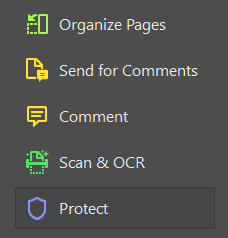

 How to edit a password locked PDF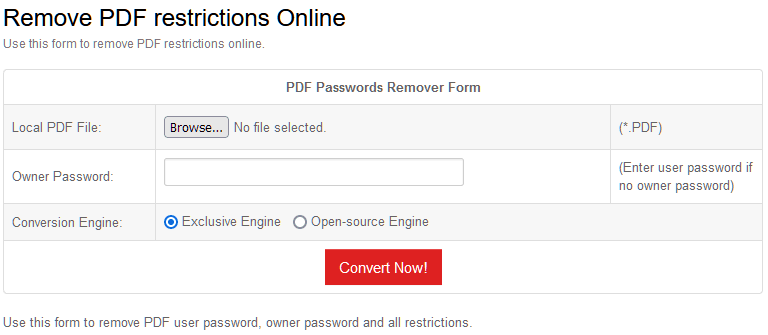
 How to print a PDF that is locked with a password
 Locking PDF files online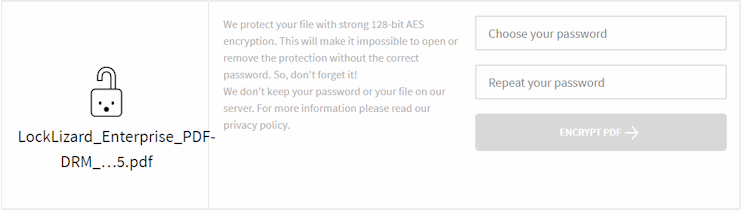
 How to lock PDF files securely without passwords using Safeguard
 How to lock a PDF file from editing without passwords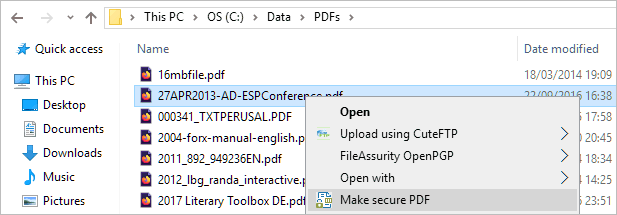

 How to lock a PDF form after filling out / fillable fields in PDF files
 What is a PDF Lock?
 Why lock PDF files?
 Download PDF locking software: lock PDFs from being edited, copied, printed, saved
 FAQs
FAQs